If you’re considering orthotics for your child, you’ve probably heard conflicting advice. Should you buy them? Do they actually work? Will they weaken your child’s feet? And do you really need to spend hundreds on custom ones?
Let’s break down the five biggest myths about children’s orthotics so you can make an informed decision without the confusion.
First: What’s the Difference Between Insoles and Orthotics?
Before we dive into the myths, you need to understand this crucial difference.
Insoles are basically cushioned sock liners. They’re the squishy gel pads you see at the chemist. They make shoes feel more comfortable but don’t actually change how your child’s foot functions.
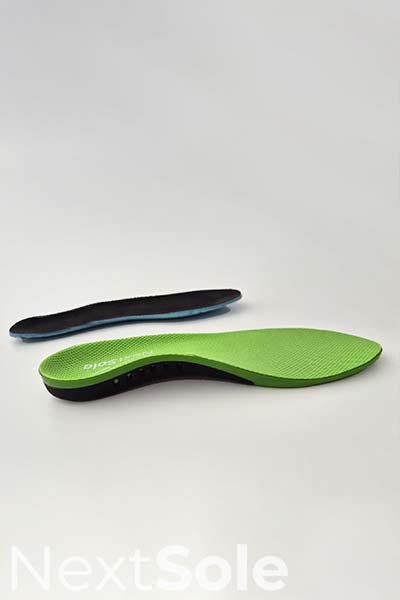
Orthotics are medical devices designed to influence how your child’s foot moves, redistribute pressure across the foot, and improve alignment. They’re specifically engineered to affect biomechanics—the way the foot, ankle, and leg work together.
Think of insoles as a pillow for the foot, while orthotics are more like a support system that guides proper movement.
Myth #1: Orthotics Will “Fix” Your Child’s Flat Feet
The Misconception
Many parents believe orthotics will permanently reshape their child’s arch or correct foot misalignments over time.
The Reality
Orthotics manage the condition rather than cure it. They work like glasses for your child’s eyes—they help the feet function properly while wearing them, but they don’t provide a permanent structural change.
Here’s what orthotics actually do: they regulate ground forces and reduce stress on overloaded parts of the foot. This helps prevent pain, fatigue, and compensatory issues in the ankles, knees, and hips whilst your child is wearing them.
For children with developing feet, this management approach is particularly valuable. By supporting proper alignment during critical growth years, orthotics can help feet develop with better mechanics, potentially reducing problems down the track.
Myth #2: Custom Orthotics Are Always Better Than Over-the-Counter Options
The Misconception
You need to spend $300-$500 on custom orthotics to get real results for your child.
The Reality
There’s no credible peer-reviewed research proving custom orthotics outperform high-quality over-the-counter orthotics for most children and adults.
Foot health professionals often compare it this way: over-the-counter orthotics are like a Ford, whilst custom orthotics are like a BMW. Both get you where you need to go—the custom version just has more bells and whistles.
For most children with common issues like over-pronation (ankles rolling inward), flat feet, or general foot fatigue, quality over-the-counter orthotics designed by podiatrists will do the job effectively.
When might custom be worth considering?
- Severe foot deformities
- Specific medical conditions requiring precise modifications
- Cases where multiple attempts with quality OTC options haven’t helped
For preventative support and common childhood foot issues, you could save your money by starting with quality over-the-counter options.
Myth #3: All “Custom” Orthotics Are Actually Custom
The Misconception
If a shop assistant moulds an insole to your child’s foot or adds personalisation, it’s a custom orthotic.
The Reality
Many retailers blur the line between “custom” and “customised.” True custom orthotics require a complete mould of the foot using a 3D scanner, foam impression box, or plaster cast, and are then built from scratch specifically for that foot.
Watch out for these misleading practices:
- Heat-moulding a pre-made insole and calling it “custom”
- Adding stickers or writing your child’s name on a generic product
- Taking basic measurements but using a standard template
- “Custom-fit” services that simply trim a regular insole
If you’re paying custom prices ($300+), make sure you’re getting a genuinely custom product with a proper foot mould and laboratory fabrication.
Myth #4: Orthotics Will Weaken Your Child’s Feet and Muscles
The Misconception
Providing support will cause foot muscles to become lazy, leading to muscle atrophy and a weaker foot over time.
The Reality
Research shows precisely the opposite. Orthotics often allow intrinsic foot muscles to function more efficiently by improving alignment and reducing compensatory strain.
Studies examining muscle activation and size have found no decrease even after 12 weeks of consistent orthotic use. In fact, when feet are properly aligned, muscles can work the way they’re meant to rather than constantly compensating for poor mechanics.
Think of it this way: if your child’s ankles are rolling inward excessively, surrounding muscles are working overtime to stabilise an unstable foundation. Orthotics provide that foundation, allowing muscles to function properly rather than in a state of constant correction.
Your child’s feet won’t become dependent or weak—they’ll simply be better supported during critical developmental years.
Myth #5: If Orthotics Aren’t Immediately Comfortable, They’re Not Right
The Misconception
Good orthotics should feel comfortable from the moment you put them in your child’s shoes.
The Reality
Because orthotics are designed to change biomechanics, they typically require a break-in period that could range from days to weeks. Your child’s feet, ankles, and legs need time to adjust to the new alignment.
During this adjustment period, orthotics might feel:
- Different or unusual
- More noticeable than regular insoles
- Slightly uncomfortable as muscles adapt
This is normal and expected. The goal of orthotics is prevention and support, not immediate cushioned comfort.
How to help your child adjust:
- Start with 1-2 hours of wear per day
- Gradually increase wear time over 1-2 weeks
- Monitor for genuine pain (not just “different” sensations)
- Ensure orthotics are the correct size for their shoes
If after two weeks your child experiences actual pain—not just awareness of the support—consult with a podiatrist to ensure proper fit and appropriateness.