I learned something about kids’ feet that I wish another parent had told me years ago.
You know how all toddlers have flat feet? Completely normal. Between about 4 and 8 years old, their arches start forming. By 7 or 8, you should see a proper arch taking shape.
But here’s the thing – loads of kids never develop that arch, or it stays really low. And honestly, the arch height isn’t even the main issue with flat feet in children.
How to Check Your Child’s Feet for Over-Pronation
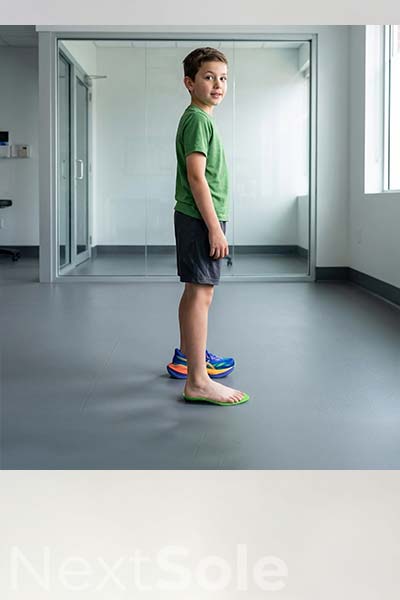
Watch your child standing still. Look at their ankles from behind. Imagine drawing a line straight down from their ankle bone to the floor. If that line lands outside their foot – like the ankle’s leaning inward – that’s over-pronation. Their ankles are rolling in too much.
My kids did this. I didn’t think much of it at first because they weren’t complaining about foot pain or anything. But then I found out what can happen during their growth years.
Common Issues Linked to Over-Pronation in Kids
Children with over-pronation are more likely to get heel pain during growth spurts. It’s called Sever’s Disease – sounds scary but it’s basically growing pains in the heel where the Achilles tendon connects. Kids typically get this between 8 and 14 years old.
They also get knee pain, especially around 10-15 years old. Their feet ache after sport. Their legs get tired faster during activities. Even normal growing pains can be worse for children with pronation issues.
The knee pain happens because when the ankle rolls in, it makes the knee drop inward too. That pulls on the tendon that connects the kneecap to the shin, irritating the growth plate there. Same deal with the heel pain – the Achilles tendon pulls too hard where it attaches to the heel bone.
Why the Timing Matters for Kids’ Foot Development
Here’s what clicked for me: their feet are still developing. Right now. This is when we can actually do something about foot alignment before problems start.
I’m not talking about fixing a medical problem. I’m talking about giving them proper arch support while their feet are still forming, so hopefully they don’t develop pain issues in the first place.
How Children’s Insoles and Orthotics Work
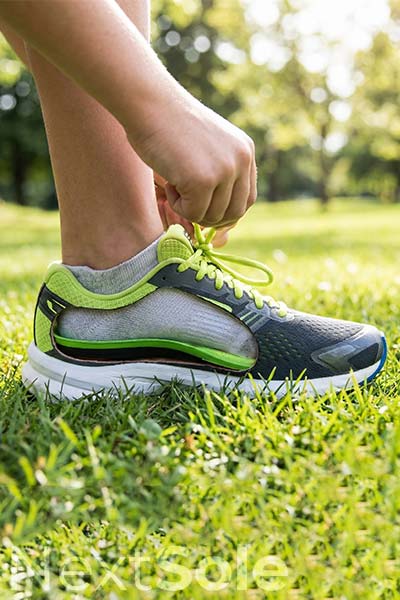
The orthotic insoles basically hold their feet in better alignment while they’re walking and running around. It helps their feet develop more naturally instead of compensating for poor ankle positioning.
Kids’ insoles provide arch support that keeps the foot from rolling inward excessively during the critical development window between 4 and 8 years old.
Getting Kids Adjusted to Wearing Insoles
Most kids adjust to orthotic inserts within a couple of days. Mine actually said their feet felt better – they liked having something supporting their arch. If your child finds the insoles uncomfortable at first, just do an hour or two a day and build up from there.
The Cost of Kids’ Insoles vs Later Treatment
Basic children’s orthotics cost about $30-$40. Compare that to what you’d pay for custom orthotics from a podiatrist later ($200-$500), or physiotherapy sessions for knee pain, or dealing with a teenager who can’t play sport because of heel pain from Sever’s Disease.
I’m not trying to scare you. I just figured if my kids’ feet were building themselves right now during these important growth years, I wanted to give them the best chance to develop properly.
What to Do Next
Have a look at your kids’ ankles next time they’re standing barefoot. If you notice the ankles rolling inward with over-pronation, arch support insoles might be worth considering during their foot development years.
Not medical advice – just one parent sharing what I learned about children’s foot health and pronation correction. If you’re concerned about your child’s feet, knee pain, or heel pain, a podiatrist can give you proper assessment and guidance.